15 Aug 2026
Weather Patterns Driving Adjustments in Live NFL Prop Bets on Digital Platforms
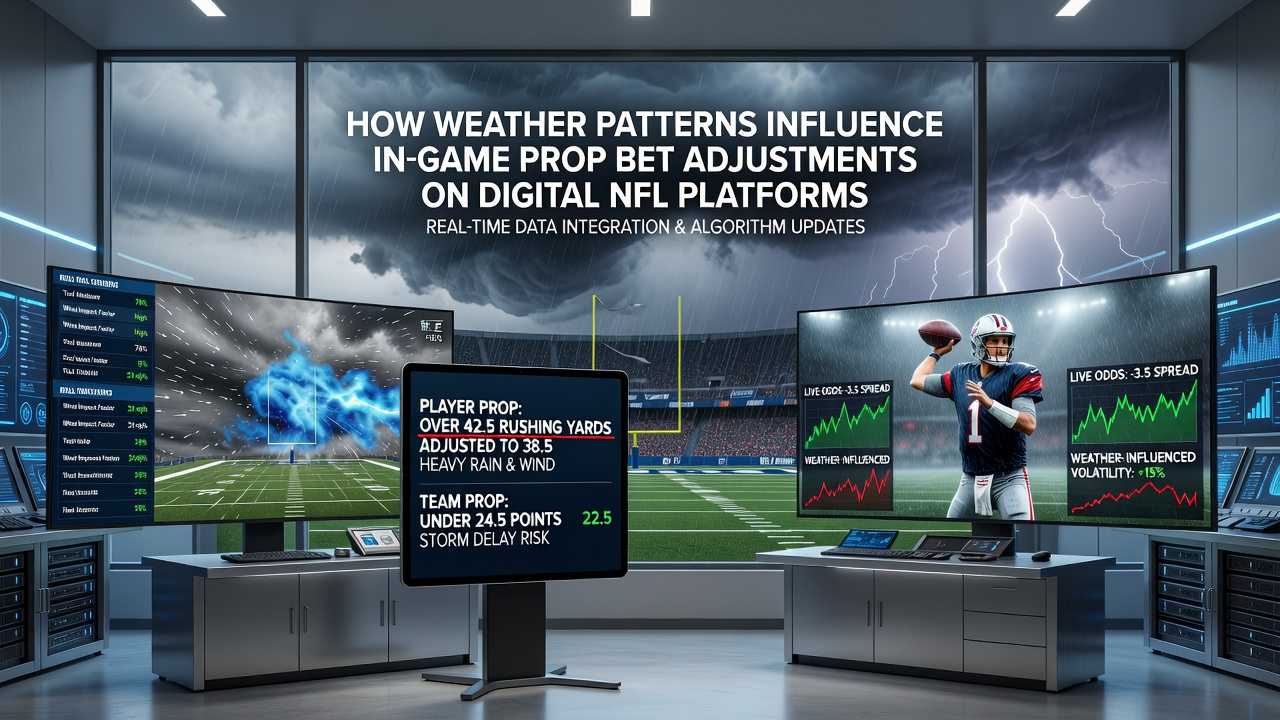
Digital NFL platforms track atmospheric conditions closely because weather events alter player performance metrics that underpin in-game prop bets, and operators respond by recalibrating odds within seconds of updated forecasts. Rain, wind, and temperature swings change passing accuracy, kicking distance, and rushing volume, so algorithms pull fresh meteorological data to shift lines on player props such as total passing yards or field goal attempts before the next snap occurs.
Real-Time Data Integration on Betting Platforms
Operators integrate feeds from the National Weather Service into their live betting engines, which allows systems to detect wind gusts exceeding 15 miles per hour and immediately widen spreads on quarterback completion props. When temperatures drop below freezing, data shows reduced ball velocity and increased fumble rates, prompting platforms to adjust over-under totals for rushing attempts during the same drive. These modifications happen automatically because the software cross-references current conditions with historical performance databases that cover multiple seasons of comparable weather scenarios.
Platforms also monitor precipitation rates measured in inches per hour, since heavier rainfall correlates with lower completion percentages in documented league statistics. Observers note that a sudden increase from light drizzle to moderate rain can trigger a 3-to-5 percent shift in live odds for wide receiver yardage props within a single minute. The process relies on machine learning models trained on past games where similar weather patterns produced measurable drops in aerial production.
Regional Weather Variations and Prop Categories
Coastal stadiums experience more frequent wind events that affect kicking props, while northern venues see greater temperature fluctuations that influence running back workload totals. In August 2026, early season games scheduled in open-air facilities are already drawing attention from analysts who track how humidity levels above 70 percent correlate with higher injury substitution rates and subsequent changes in player prop availability. Digital systems flag these environmental factors and suspend or modify certain micro-props until updated medical and weather data stabilize the line.
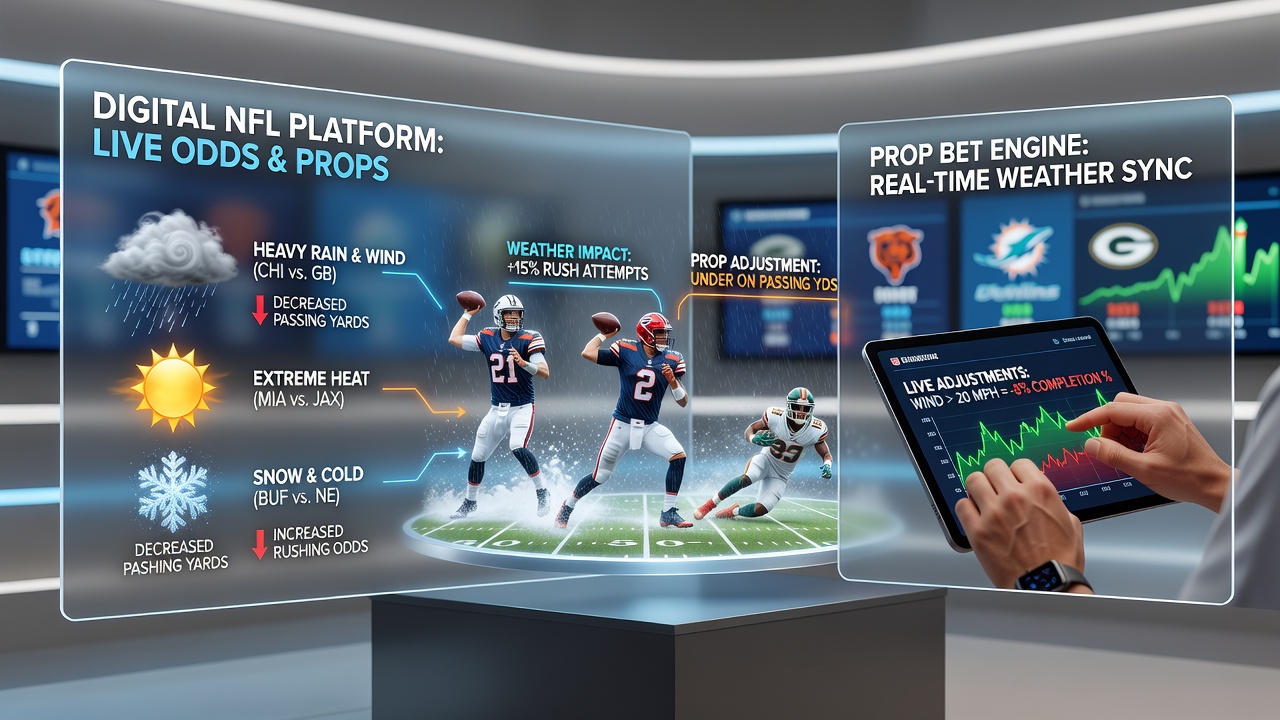
Researchers at university sports analytics programs have compiled datasets showing that wind speeds above 20 miles per hour reduce field goal success rates by an average of 12 percent across multiple seasons, which leads platforms to adjust live odds on kicker props accordingly. Temperature inversions in domed versus open stadiums create additional variables, and operators maintain separate adjustment protocols for each venue type to ensure consistency in prop pricing.
Algorithmic Response Mechanisms
Betting engines apply weighted variables that combine real-time weather readings with player-specific historical data, so a quarterback with documented struggles in high wind receives larger line movements than a counterpart with stronger performance records under identical conditions. These calculations occur continuously because platforms receive updated radar and anemometer readings every 30 seconds during active games. The resulting prop adjustments appear on user interfaces as soon as the algorithm confirms a statistically significant deviation from baseline expectations.
Industry reports from the Nevada Gaming Control Board document the volume of in-game prop modifications during weather-affected contests, revealing that outdoor games with precipitation generate roughly 40 percent more line changes than indoor matchups. Environment Canada data on cross-border weather systems further supports these observations by providing comparative statistics for games played near the northern border where cold fronts arrive rapidly. Such cross-referenced information helps platforms refine their predictive models and maintain accurate pricing throughout the contest.
Player Performance Correlations
Statistical models link specific weather thresholds to measurable declines in targeted performance categories, such as reduced yards per attempt for passers when visibility drops due to fog or heavy snow. Running backs encounter different challenges because wet surfaces lower traction and increase the likelihood of negative plays, prompting platforms to lower over totals on first-quarter rushing props within minutes of detecting sustained rainfall. Kickers face the most direct impact from wind direction changes, and digital systems track gust angles relative to goalpost orientation to fine-tune live field goal props accordingly.
Those who study these patterns find that the speed of adjustment varies by sportbook infrastructure, with larger operators incorporating satellite imagery alongside ground sensors to achieve faster response times during rapidly evolving conditions. The result is a continuous recalibration process that keeps prop bets aligned with current environmental realities rather than pre-game assumptions.
Conclusion
Weather patterns exert measurable influence on the mechanics of in-game prop bet adjustments across digital NFL platforms through direct integration of meteorological data into algorithmic pricing systems. These platforms rely on established correlations between atmospheric conditions and player performance statistics to execute timely line movements that reflect evolving game circumstances. Continued refinement of data sources and response protocols supports the ongoing accuracy of live prop offerings as weather events unfold during NFL contests.