17 Jun 2026
Uncovering Correlations Between Casino Game Volatility and Seasonal Sports Wagering Trends
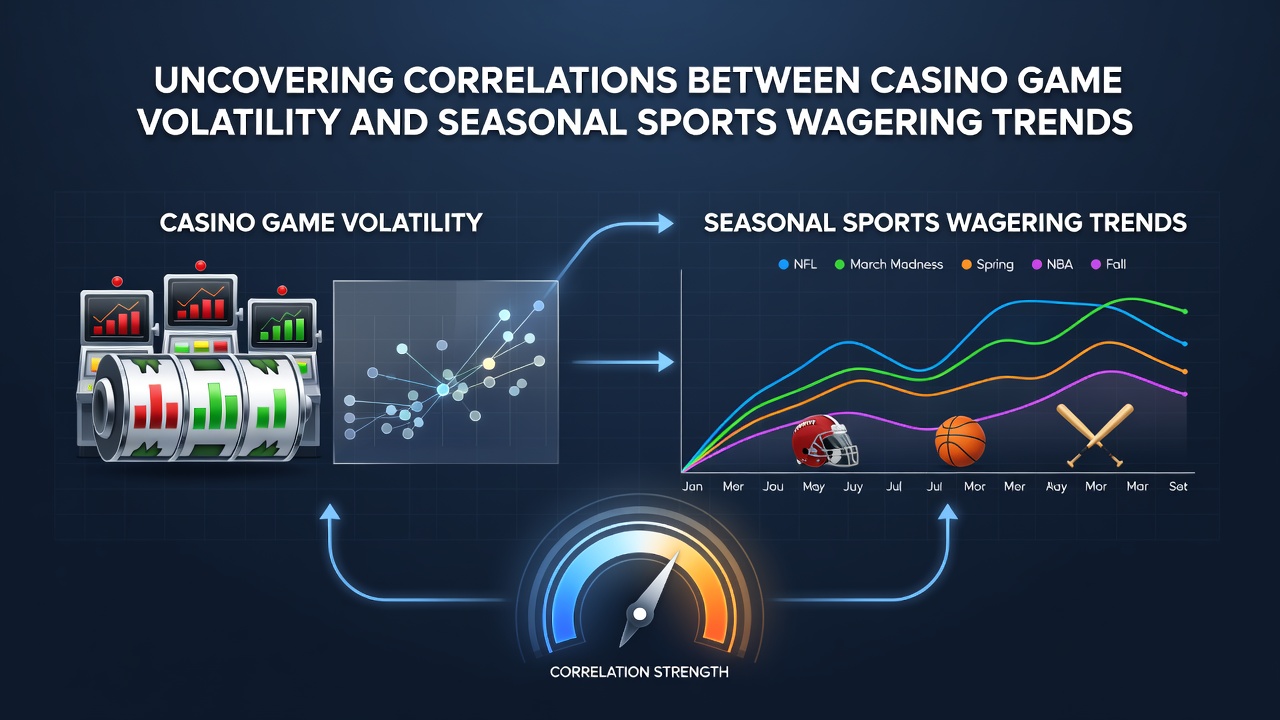
Analysts tracking gambling markets have long observed how casino game volatility interacts with the ebb and flow of sports wagering activity throughout the year, and recent datasets from multiple jurisdictions highlight measurable patterns rather than random fluctuations. High-volatility slots and table games with wide payout swings tend to attract different player cohorts compared to steady, low-volatility options, while sports betting volumes spike around major leagues and drop during transitional months.
Defining Volatility in Casino Environments
Casino operators classify game volatility according to the frequency and size of payouts, where high-volatility titles deliver infrequent but larger returns and low-volatility machines produce smaller, more regular wins that keep session lengths extended. Researchers at institutions such as the University of Nevada, Las Vegas have compiled payout distribution models showing that volatility ratings directly influence bankroll management strategies among regular patrons, and these same models reveal seasonal shifts when sports calendars change.
During periods of intense sports schedules, many bettors allocate larger portions of their entertainment budgets to live odds and futures markets, which leaves casino floors with adjusted traffic patterns, yet data collected across North American properties indicates that high-volatility games maintain steady engagement from a core demographic that treats slots as a separate entertainment category rather than a direct substitute for sports wagers.
Seasonal Rhythms in Sports Wagering
Sports betting volumes follow predictable calendars tied to league seasons, with American football driving peak activity from September through January, basketball sustaining elevated handle from October into April, and baseball filling summer months with daily game volume. European soccer leagues create overlapping international interest that peaks during winter fixtures, and regulatory filings submitted to bodies like the Alcohol and Gaming Commission of Ontario document how these cycles produce measurable spikes in mobile betting handle that coincide with dips in certain casino verticals.
June stands out as a transitional window when several major North American leagues reach playoffs or off-season lulls, and early indicators from 2026 show sportsbooks reporting softer daily averages compared to March Madness or Super Bowl periods, which opens analytical space to examine whether casino volatility preferences shift as discretionary betting funds redistribute.
Observed Correlations Across Datasets
Statistical reviews of aggregated transaction logs demonstrate that high-volatility slot play increases modestly during low-intensity sports months, particularly in jurisdictions where online casino and sports products operate under unified operator licenses. Figures released by the Queensland Government Statistician's Office illustrate parallel movements where reduced sports wagering handle aligns with higher average bet sizes on progressive jackpot machines, suggesting players reallocate portions of their risk capital rather than simply reducing overall gambling spend.
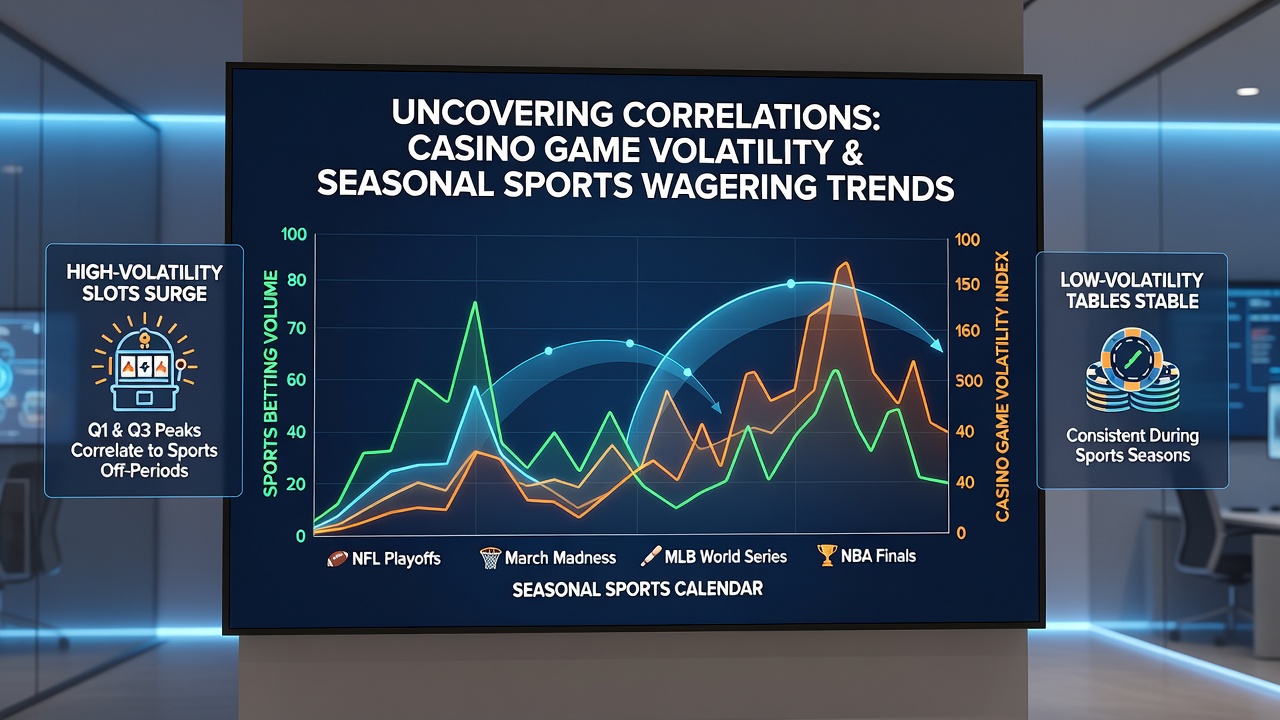
Low-volatility games, by contrast, retain flatter engagement curves year-round because their steadier return profiles appeal to players seeking longer sessions regardless of external sports calendars. Correlation coefficients calculated from multi-year samples hover in the moderate range, indicating that while substitution effects exist they remain far from absolute, and many patrons maintain separate budgets for each activity type.
Regional Variations and Regulatory Context
Markets in Australia and parts of Canada display clearer seasonal linkages than some U.S. states where land-based casinos dominate, largely because integrated online platforms allow easier movement between verticals. Reports compiled by the National Center for Responsible Gaming note that responsible gambling tools tracking session length and deposit frequency show only minor seasonal deviations, implying that volatility preferences adjust within existing play patterns instead of driving dramatic behavioral overhauls.
Operators have responded by adjusting promotional calendars, timing high-volatility game launches or bonus features to align with anticipated sports lulls, and these tactical shifts appear in earnings calls as deliberate attempts to smooth revenue curves across quarters.
Implications for Future Analysis
Continued expansion of legal sports betting alongside mature casino markets will likely refine the granularity of available data, allowing more precise identification of micro-correlations at daily or even hourly levels. As June 2026 approaches, analysts anticipate further clarity on how emerging summer sports leagues and international tournaments might alter previously established off-season dynamics.
Conclusion
The intersection of casino volatility profiles and seasonal sports wagering trends reveals consistent yet nuanced relationships supported by transaction data and regulatory disclosures across several jurisdictions. While direct substitution remains limited, measurable reallocations of play activity occur during predictable calendar windows, and ongoing monitoring through academic and industry channels will continue to map these evolving patterns without implying causation beyond what the figures demonstrate.