23 May 2026
Social Media's Quiet Role in Shaping Live Sports Betting Markets
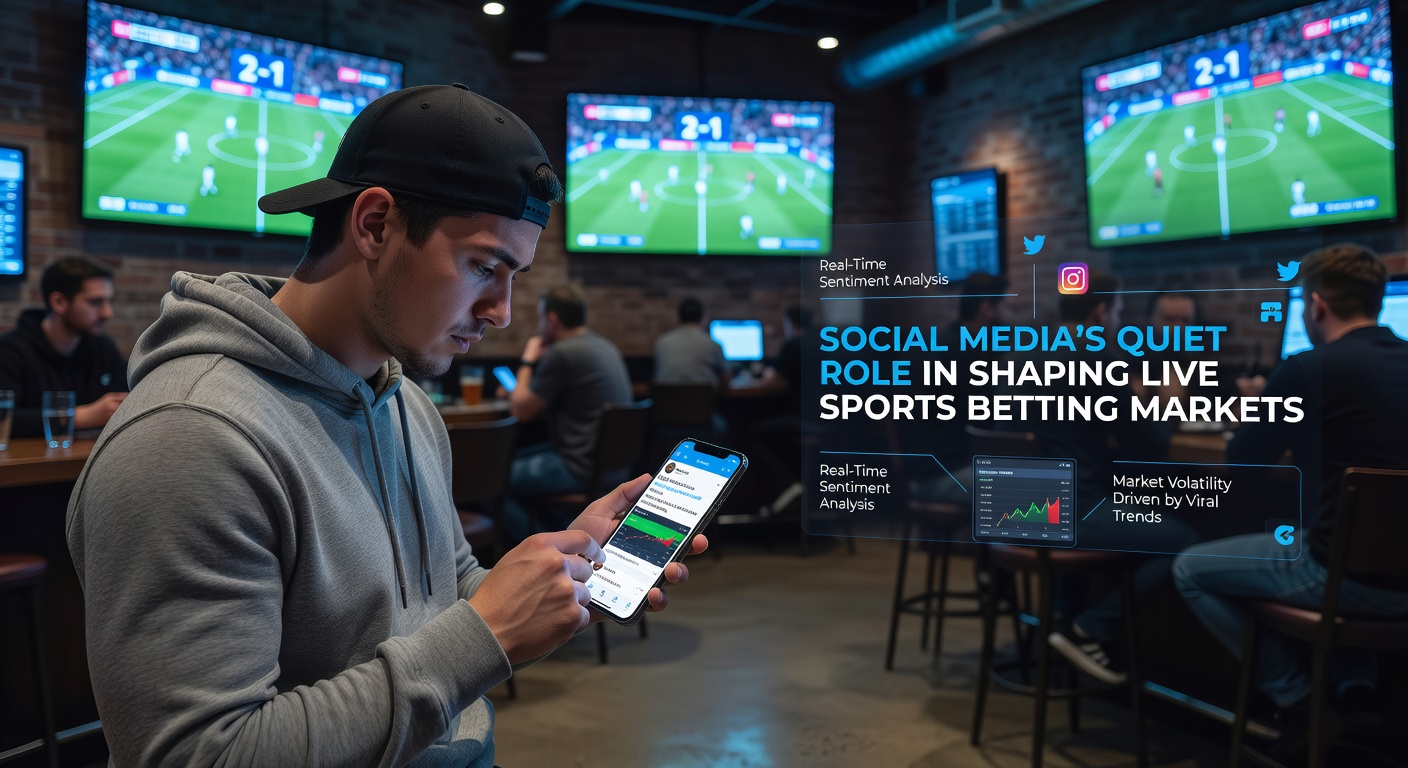
Live sports betting markets operate on razor-thin margins where information moves faster than official announcements, and social media platforms have become central conduits for that flow. Bettors scan feeds for injury updates, referee decisions, and crowd reactions while algorithms push trending clips that can sway collective sentiment within minutes. Data from multiple tracking services shows spikes in wager volume often align with surges in platform activity rather than traditional news wires alone.
Real-Time Information Spread and Market Reactions
Platforms such as X, formerly Twitter, and short-form video services deliver updates from stadiums and press boxes before they reach centralized feeds, creating windows where early observers place or adjust bets. Bookmakers respond by monitoring keyword clusters and engagement metrics, then tightening or widening lines accordingly. Research from university analytics programs indicates that social volume correlates with line movement in roughly 40 percent of high-profile matches across major leagues, though causation remains harder to isolate from other variables like broadcast commentary.
Take one instance from the 2025-2026 NFL season where a single verified account posted footage of a quarterback favoring one leg during warmups, and within eight minutes betting markets on that player's passing yards shifted by more than a point on several operators. Similar patterns appear in European soccer when fan-captured moments of substitutions or medical staff activity circulate before official team channels confirm details. Observers note that these micro-events gain traction because algorithms prioritize recency and emotional tone over verified sourcing.
Sentiment Analysis Tools Adopted by Operators
Many betting firms now integrate social listening dashboards that aggregate public posts, hashtags, and reply chains to gauge crowd perception ahead of or during events. These systems flag unusual language clusters, such as repeated mentions of weather conditions or coaching staff disputes, which can prompt automated or manual line adjustments. Figures released by industry technology providers in early 2026 revealed that operators using such tools reported 12 to 18 percent faster response times to emerging narratives compared with those relying solely on traditional data streams.
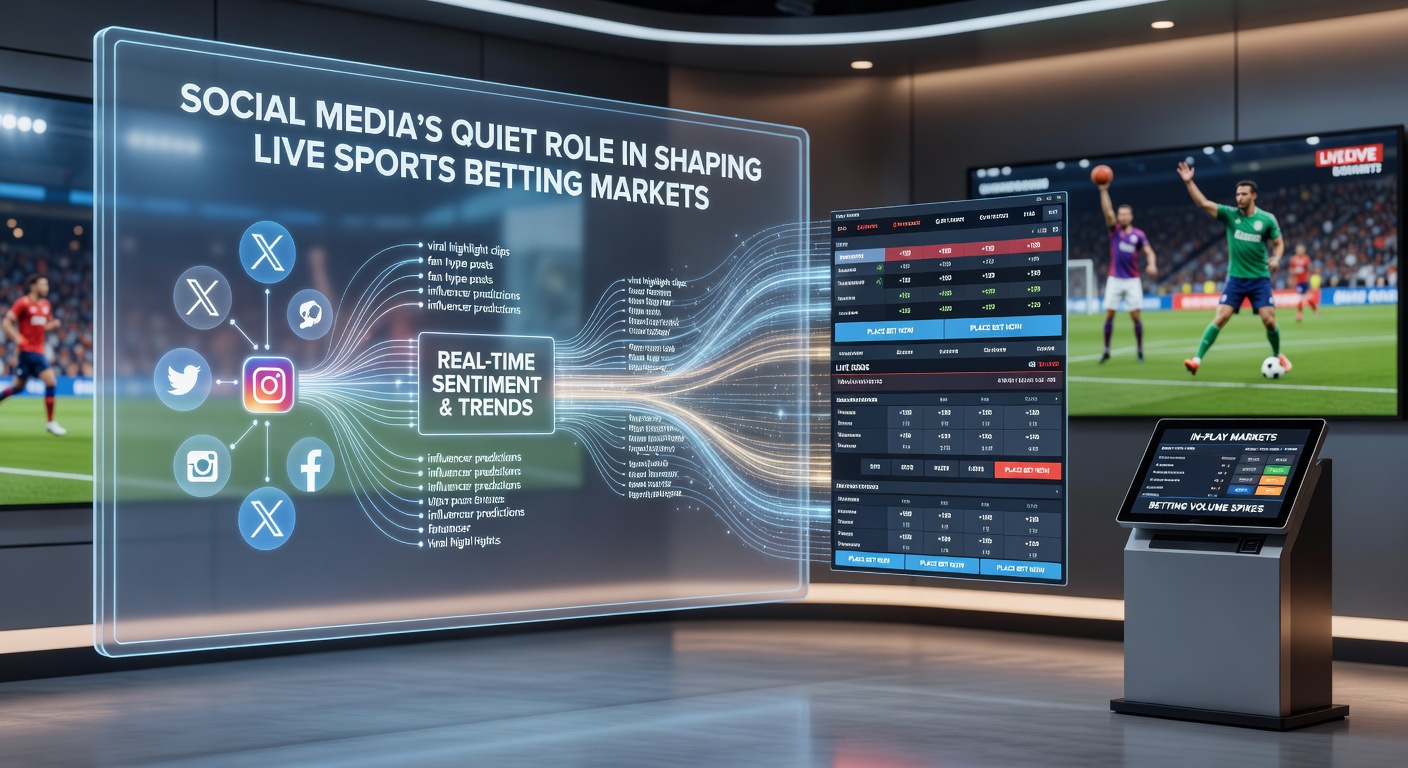
Academic studies from North American research centers have examined how these feedback loops influence liquidity, finding that heavily discussed markets sometimes exhibit greater volatility even when underlying statistics remain stable. Regulators in jurisdictions including New Jersey and Ontario have begun requesting disclosure of social monitoring practices as part of broader market integrity reviews, though formal guidelines continue to evolve through 2026.
Regional Differences in Platform Influence
Patterns vary by geography and sport. In Australian rugby league matches, localized Facebook groups and TikTok compilations often amplify referee criticism that later coincides with adjusted totals markets, according to reports from state gaming authorities. Canadian sportsbooks have documented similar activity around NHL overtime periods where goalie performance clips circulate rapidly. Meanwhile, major European operators track cross-border conversations on messaging apps that sometimes bypass public feeds yet still affect regional betting pools.
May 2026 brought renewed attention to these dynamics when several U.S. state regulators hosted public forums on digital information sources, citing increased complaints about coordinated promotion of specific wagers through influencer channels. Participants discussed how platform policies on sponsored content intersect with existing advertising rules, yet enforcement remains fragmented across borders. A joint report from the American Gaming Association and an Australian research consortium highlighted that cross-platform campaigns can drive measurable shifts in handle volume without direct operator involvement.
Challenges for Market Integrity and Oversight
Detecting coordinated activity presents ongoing difficulties because organic discussion and deliberate amplification can produce identical engagement signals. Gaming commissions in multiple regions now require operators to maintain audit trails of social-derived adjustments, yet distinguishing signal from noise demands resources many smaller firms lack. Industry associations have responded by sharing best-practice frameworks that include threshold triggers for pausing markets during unusual social surges.
One documented case involved a lower-tier soccer league where a cluster of accounts repeatedly posted unverified injury claims, prompting temporary suspension of live betting on that fixture by two major platforms. Subsequent investigation attributed the activity to automated bots rather than genuine spectators, underscoring the technical arms race between detection systems and manipulation attempts. Data compiled through May 2026 shows such interventions remain infrequent but carry high visibility when they occur.
Conclusion
Social media's integration into live sports betting continues to deepen as platforms refine recommendation engines and operators refine monitoring capabilities. Regulatory bodies across North America, Europe, and Australia maintain active reviews of these intersections, while academic and industry researchers track correlations between digital discourse and market behavior. The infrastructure supporting these markets now includes dedicated social data pipelines alongside conventional statistical models, reflecting an environment where information velocity shapes outcomes as much as on-field performance.