22 Jun 2026
Regulatory Evolutions Reshaping NFL Probability Frameworks in Digital Wagering
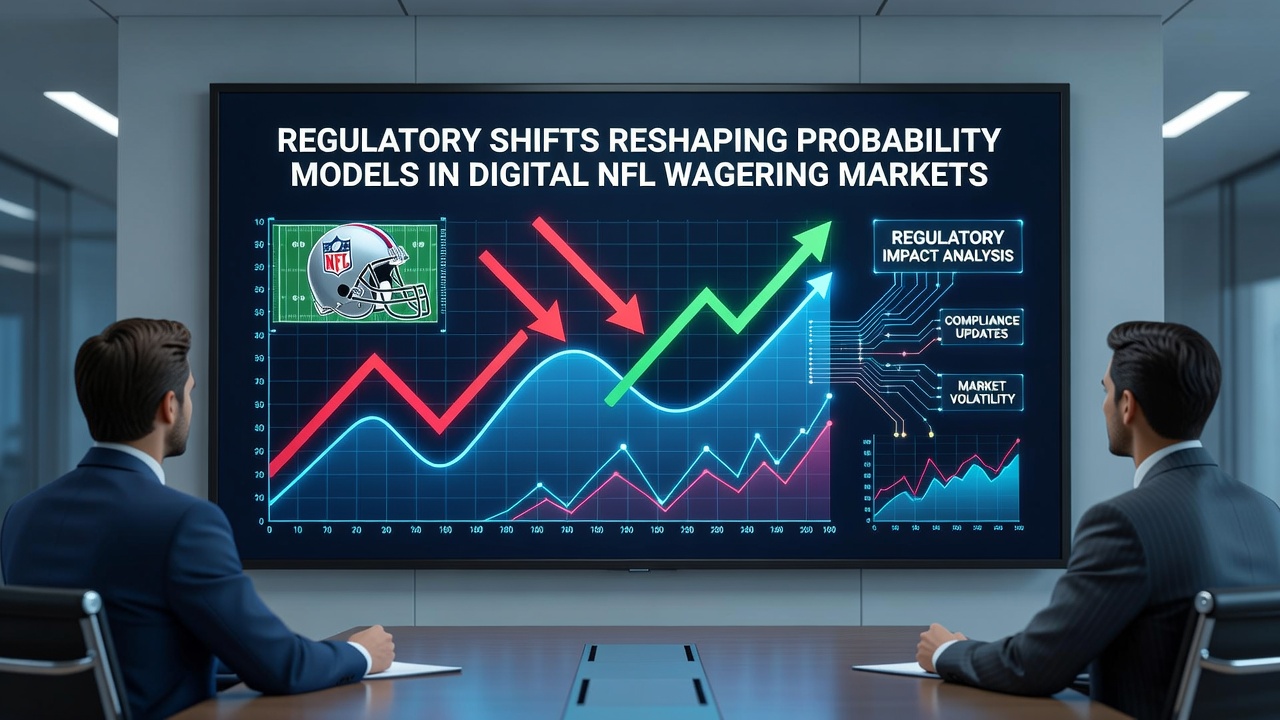
Regulatory developments across multiple jurisdictions continue to influence how operators construct and adjust probability models for NFL wagering in digital environments, particularly as new compliance requirements take effect around June 2026 in several key markets. These changes affect data inputs, risk calculations, and real-time odds adjustments while operators integrate stricter standards on transparency and player protection measures.
Data Privacy Mandates Altering Model Inputs
State-level data protection rules in the United States and similar frameworks in other regions limit the types of player behavior data that can feed into predictive algorithms, which forces analysts to recalibrate their approaches using aggregated or anonymized datasets instead. Observers note that this shift reduces reliance on granular individual tracking yet maintains accuracy through broader statistical correlations drawn from public performance metrics and historical game data. In practice, operators now incorporate fewer behavioral signals from user sessions, which leads to models that emphasize team statistics and situational variables more heavily while still meeting regulatory thresholds for fairness verification.
According to reports from the New Jersey Division of Gaming Enforcement, updated guidelines effective in early 2026 require explicit documentation of all data sources used in odds generation, prompting several major platforms to overhaul their backend systems. Those adjustments include new layers of encryption and audit trails that verify compliance without disrupting the core probability calculations that drive live NFL markets.
Regional Variations Driving Standardized Approaches
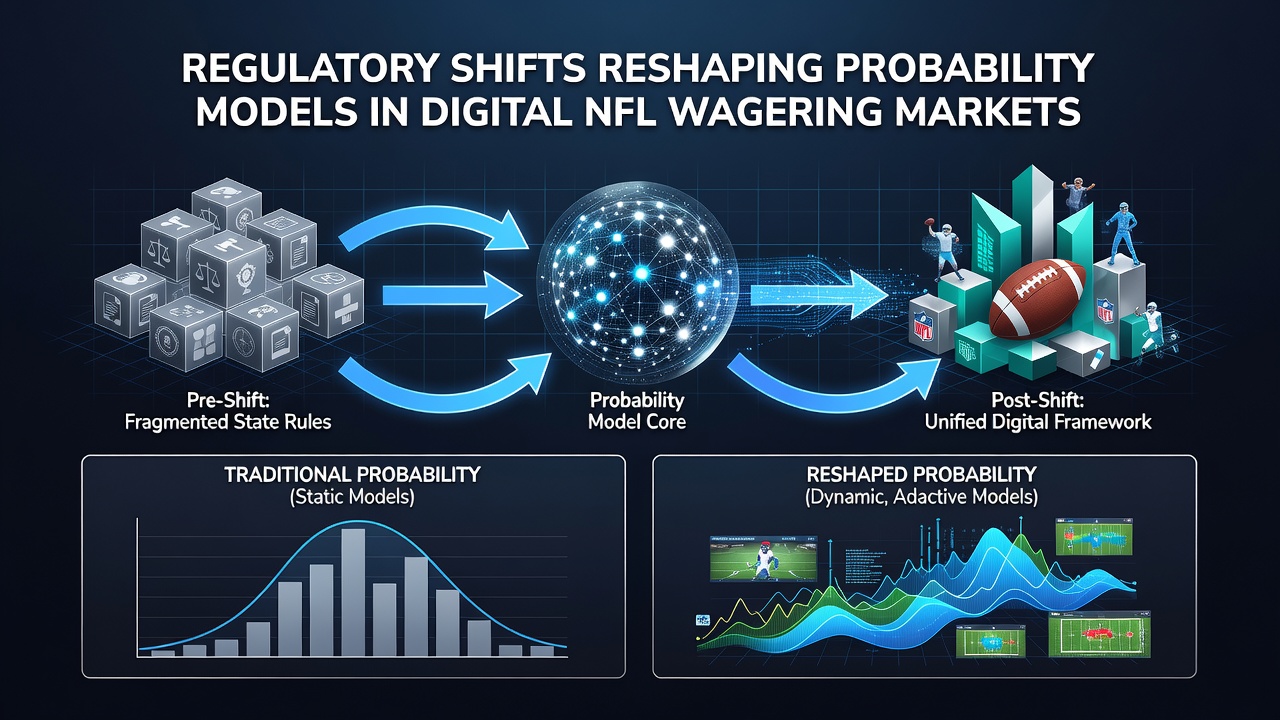
Canadian provincial regulators, including iGaming Ontario, have introduced cross-border data sharing restrictions that differ from U.S. state rules, creating a patchwork where operators must maintain separate modeling pipelines for each market. This situation encourages the development of modular probability engines that can swap regulatory filters on the fly, allowing a single platform to serve multiple regions while preserving local compliance. Researchers at academic institutions studying gambling technology have documented how these modular systems improve scalability, since core NFL event probabilities remain consistent even as compliance overlays change.
Yet operators face added computational overhead when reconciling conflicting requirements, such as differing definitions of what constitutes real-time odds adjustment during high-stakes drives or overtime periods. Data from industry associations shows that firms investing in flexible architecture report fewer compliance incidents compared with those using rigid legacy models.
Responsible Gambling Rules Influencing Risk Parameters
Mandates from the Malta Gaming Authority and parallel bodies in Australia require operators to embed spending limit alerts and session time caps directly into the probability models themselves, which means algorithms must now account for user-specific risk thresholds when generating suggested wagers or dynamic odds. These integrations alter the weighting of certain variables, such as reducing emphasis on high-volatility prop bets during extended user sessions, while still delivering market-competitive lines. Figures from regulatory filings reveal that platforms adopting these embedded controls experience measurable shifts in user engagement patterns without compromising overall model integrity.
Operators also adjust their hedging strategies in live NFL markets to align with these rules, since exceeding session limits can trigger automatic pauses that interrupt ongoing probability recalculations. The result is a more layered approach where regulatory parameters sit alongside traditional statistical inputs, creating outputs that satisfy both commercial and compliance objectives simultaneously.
Future Outlook for Model Adaptability
Looking ahead, the convergence of these regulatory streams points toward greater standardization in how probability models handle NFL events across digital platforms, especially once June 2026 deadlines pass and operators finalize their updated systems. Industry reports indicate that collaborative efforts between regulators and technology providers are accelerating the adoption of open-source verification tools that audit model outputs for bias or non-compliance in real time. Such tools allow independent reviewers to confirm that probability adjustments remain grounded in verifiable game data rather than prohibited variables.
Those who've examined early implementations note that the changes promote resilience in the models, since they must now function reliably under multiple constraint sets without requiring complete rewrites for each new rule. This adaptability becomes particularly relevant during international tournaments or cross-league promotions where NFL markets intersect with other sports offerings subject to varying oversight levels.
Conclusion
The ongoing regulatory adjustments continue to reshape the technical foundations of NFL probability modeling in digital wagering by emphasizing verifiable data practices, modular compliance structures, and integrated responsible gambling features. Platforms that successfully navigate these requirements position themselves to operate across diverse jurisdictions while maintaining competitive accuracy in their odds offerings, as evidenced by compliance statistics released through multiple regulatory channels.