3 Jun 2026
Liquidity Dynamics Shift in Virtual Sportsbooks Amid International Soccer Tournaments
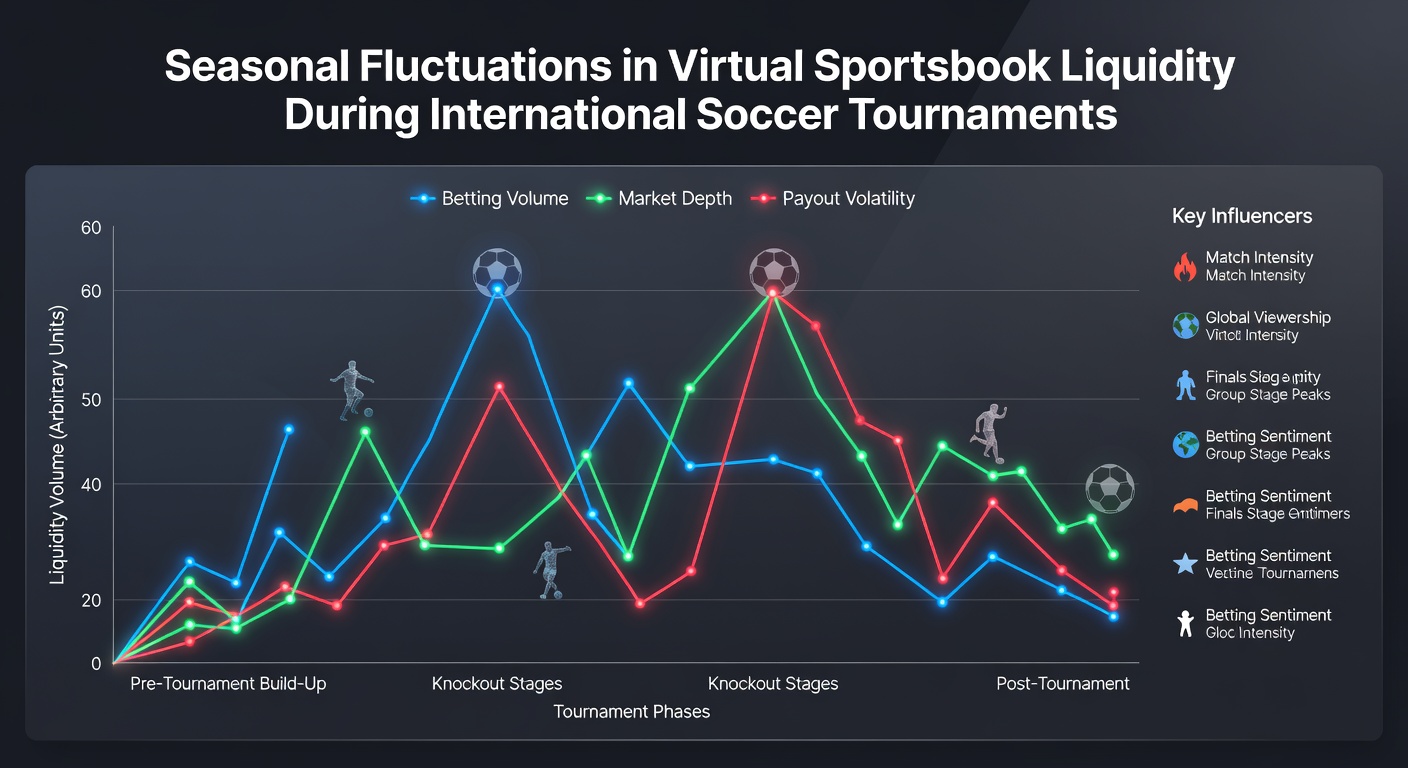
International soccer tournaments create measurable shifts in liquidity across virtual sportsbook platforms, and these patterns emerge from concentrated betting activity during events like the FIFA World Cup and UEFA European Championship. Liquidity refers to the volume of available wagers and the depth of market participation, which determines how quickly odds adjust and how much total stake operators can accept without significant imbalance.
Core Factors Driving Liquidity Changes
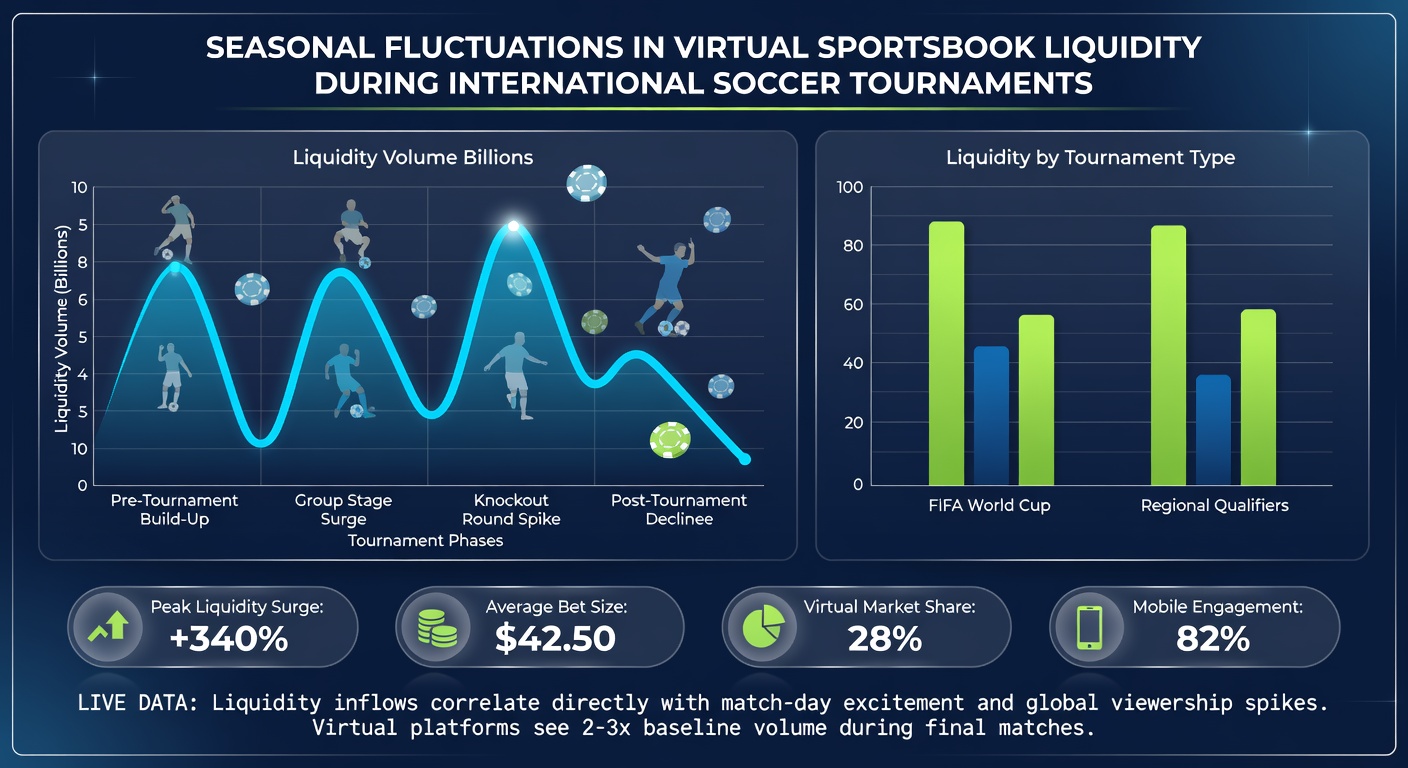
Global tournaments compress high-interest matches into short windows, and this compression draws increased participation from both recreational and professional bettors. Data from industry monitoring services shows betting volumes often rise between 200 and 400 percent during group stages compared with regular domestic league weeks. The influx occurs because matches feature national teams with widespread followings, which broadens the customer base beyond typical club competition audiences.
Operators respond by expanding market offerings, and this expansion includes additional player props, corner counts, and in-play segments that require real-time liquidity management. When action concentrates on one side of a popular matchup, bookmakers adjust limits or move lines to rebalance exposure, and these adjustments directly reflect available liquidity at that moment.
Patterns Observed Across Recent Events
During the 2022 FIFA World Cup, European-based platforms recorded peak daily handle figures in the final week of the group stage, and similar spikes appeared in North American markets once legal frameworks expanded. Liquidity remained elevated through knockout rounds because knockout matches carry higher emotional stakes and attract larger individual wagers. Researchers tracking anonymized transaction data noted that average bet sizes increased by roughly 35 percent once single-elimination games began.
June 2026 marks the opening of the FIFA World Cup hosted across North America, and platforms have already begun preparing liquidity models that account for expanded time zones and concurrent matches. Multiple daily fixtures across different continents create overlapping betting windows, which spreads liquidity demands rather than concentrating them in evening European slots.
Regional and Platform Variations
European operators typically maintain deeper liquidity pools for soccer because regulatory environments there have long supported high-volume sports wagering. North American platforms, by contrast, still show narrower depth outside major U.S. sports, yet soccer volume during tournaments has grown steadily since 2018. Australian and Asian markets demonstrate intermediate patterns, with liquidity surges tied more closely to evening Asian broadcast times.
One study released by the European Gaming and Betting Association examined cross-border transaction flows and found that tournament periods reduce average odds margins by 8 to 12 basis points as competition among operators intensifies. The same analysis indicated that smaller platforms sometimes route excess volume to larger liquidity providers through white-label or risk-sharing arrangements during these peaks.
Operational Adjustments and Risk Management
Sportsbook risk teams increase reserve capital allocations ahead of tournaments, and they often widen the range of accepted stake sizes on popular selections. Automated pricing engines incorporate historical tournament data to predict where liquidity gaps may appear, particularly on lower-profile matches between smaller national teams. When gaps emerge, operators either reduce maximum wagers or seek reinsurance through betting exchanges.
Live betting introduces additional complexity because in-play liquidity must refresh continuously. A single goal or red card can shift millions in pending wagers within seconds, and platforms with insufficient depth may temporarily suspend markets until equilibrium returns. Observers have documented brief suspensions occurring most frequently in the final 15 minutes of tightly contested matches.
Longer-Term Seasonal Context
Outside tournament windows, soccer liquidity follows domestic league calendars with steadier but lower volumes. Summer months without major international events show the lowest overall participation, and operators use this period to recalibrate models. The contrast becomes stark once a tournament begins, because liquidity can multiply within 48 hours of the opening match and then recede gradually over the following weeks.
Payment processing volumes also mirror these liquidity patterns, and financial institutions that partner with operators report elevated transaction counts during the same windows. Settlement speed becomes a competitive factor when bettors move winnings quickly between platforms to chase better odds elsewhere.
Conclusion
Seasonal liquidity fluctuations during international soccer tournaments follow predictable rhythms driven by match schedules, audience reach, and operator risk controls. Platforms that maintain flexible liquidity partnerships and responsive pricing engines navigate these periods with fewer market interruptions. As the 2026 World Cup approaches, operators continue refining systems that track overlapping global time zones and expanded market selections, and the resulting data will likely shape liquidity strategies for future cycles.