18 May 2026
From Chalkboards to Cloud Computing: The Evolution of Odds Compilation in Professional League Wagering
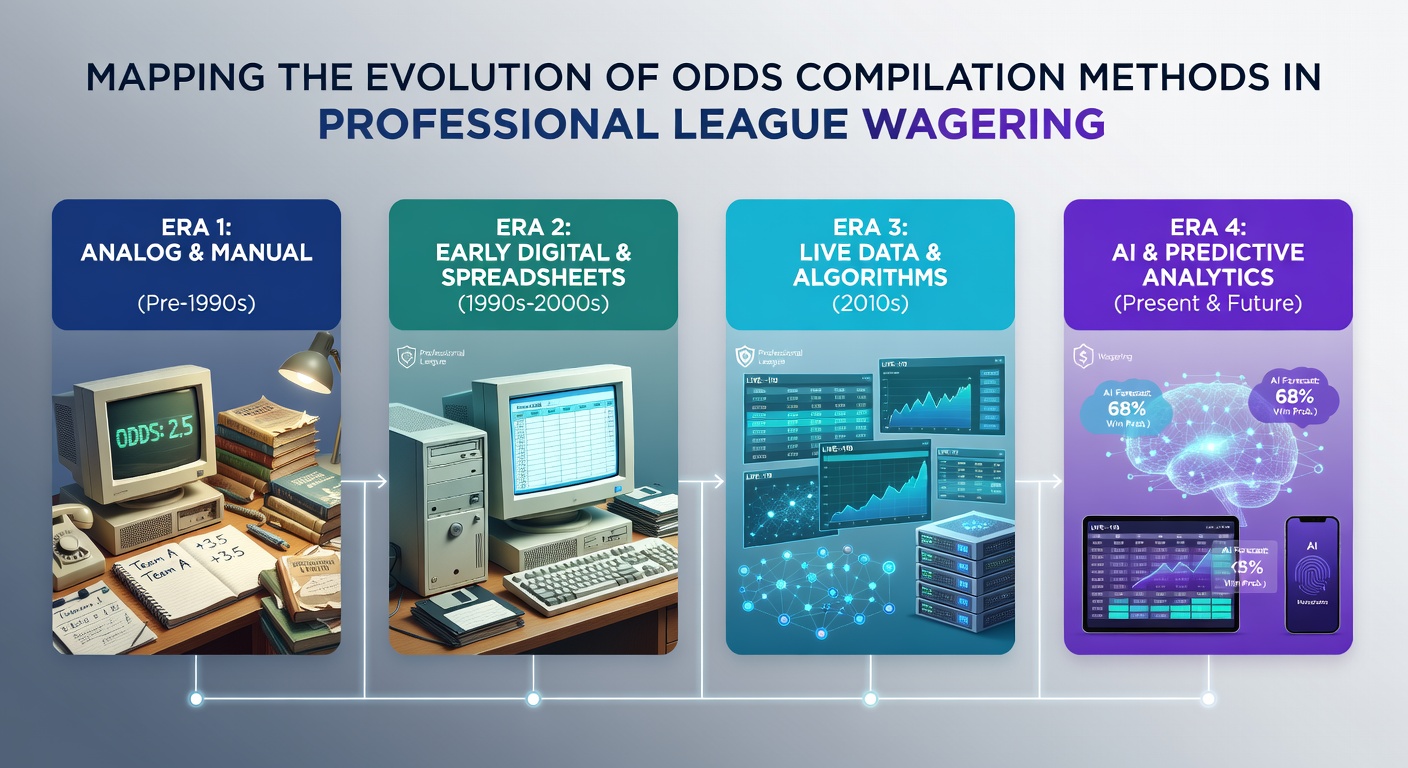
Odds compilation in professional league wagering began with manual processes rooted in experience and basic arithmetic, where bookmakers relied on personal knowledge of teams, players, and past results to set initial lines for sports like baseball and football. Those early practitioners adjusted figures throughout the week based on incoming bets and simple observations, creating a system that depended heavily on human judgment rather than extensive data sets.
Early Manual Techniques and Their Limitations
Bookmakers in the mid-20th century tracked statistics through ledgers and newspaper clippings while they factored in variables such as home-field advantage and player injuries through direct conversations with team insiders. This approach worked for smaller markets but struggled with the growing volume of games across expanding professional leagues, leading to inconsistencies when unexpected events altered team performance mid-season.
Researchers later documented how these methods produced wider margins to protect against losses, with adjustments often occurring in real time at betting windows rather than through centralized analysis. Observers note that the system prioritized risk management over precision, which limited the ability to respond quickly to new information like weather changes or lineup shifts.
Introduction of Statistical Models and Computing Power
By the 1980s and 1990s, professional wagering operations started incorporating basic statistical models that processed historical data through early computer programs. Analysts compiled records of team efficiency, scoring margins, and opponent matchups into spreadsheets, which allowed for more consistent opening lines across multiple sportsbooks. Data from this period shows a shift toward quantitative factors that reduced reliance on individual intuition alone.
Those who studied the transition found that software tools enabled faster recalculations when public betting patterns emerged, narrowing the gap between initial odds and final market prices. Professional leagues benefited as more games received coverage, with compilers drawing on larger sample sizes to refine projections for regular-season and playoff matchups alike.
Real-Time Data Integration in the Digital Age
Modern odds compilation relies on vast streams of live data fed into algorithmic systems that update lines continuously during games and in the hours leading up to them. Companies gather information from sensors, play-by-play feeds, and external sources to adjust probabilities for in-game wagers, where factors like time remaining and score differential trigger immediate recalibrations. Figures from industry reports reveal that these systems process thousands of data points per minute across major leagues.
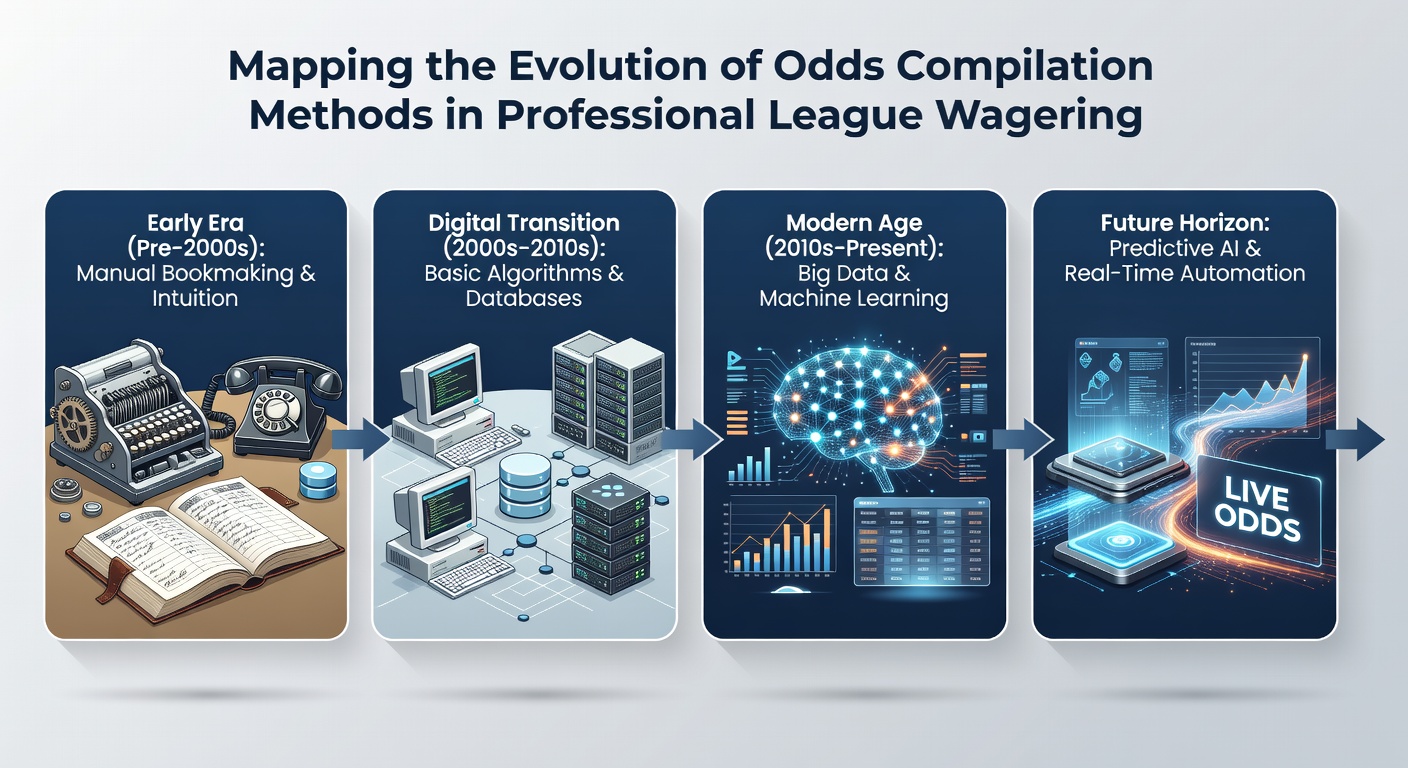
What's interesting is how machine learning components now identify subtle patterns in team behavior that traditional methods overlooked, such as fatigue trends or matchup-specific tendencies. According to research from the University of Nevada, Las Vegas gaming studies program, these tools have contributed to tighter spreads in high-profile contests by incorporating variables previously deemed too complex for manual handling. Professional league wagering has seen increased participation in props and alternate lines as a direct result of this expanded analytical capacity.
Regulatory Influences and Market Standardization
Government agencies and industry groups have shaped compilation practices through reporting requirements that emphasize transparency in line movements. The Nevada Gaming Control Board tracks how operators set and adjust odds, while similar oversight in other regions encourages consistent methodologies that protect both operators and bettors. In May 2026, updates to data-sharing protocols among professional leagues further supported these standards by providing verified statistics directly to licensed compilers.
External benchmarks from organizations like the European Gaming and Betting Association highlight how cross-border operators align their models with local rules, resulting in more uniform pricing for international audiences. This coordination reduces discrepancies that once allowed sharp bettors to exploit timing differences between markets.
Future Directions in Algorithmic Refinement
Current developments point toward greater integration of artificial intelligence that simulates thousands of game scenarios in seconds, drawing on historical archives and current roster data to generate probability distributions. Professional wagering firms test these systems against past seasons to measure accuracy, with adjustments made to account for league-specific rules such as overtime formats or salary cap effects.
Observers note that collaboration between data scientists and league statisticians continues to expand the range of factors considered, including advanced metrics like expected possession value in basketball or win probability added in football. These refinements support the creation of niche betting options while maintaining the core objective of balancing action on both sides of each proposition.
Conclusion
The progression of odds compilation methods reflects broader advances in data availability and processing technology that have transformed professional league wagering from an intuitive craft into a sophisticated analytical discipline. Continued investment in these systems promises even more precise pricing as new data sources emerge, while regulatory frameworks ensure the process remains accountable across jurisdictions.