15 Jul 2026
Behind the Algorithms: How Data Analytics Drive Wagering Decisions in Virtual Sportsbooks
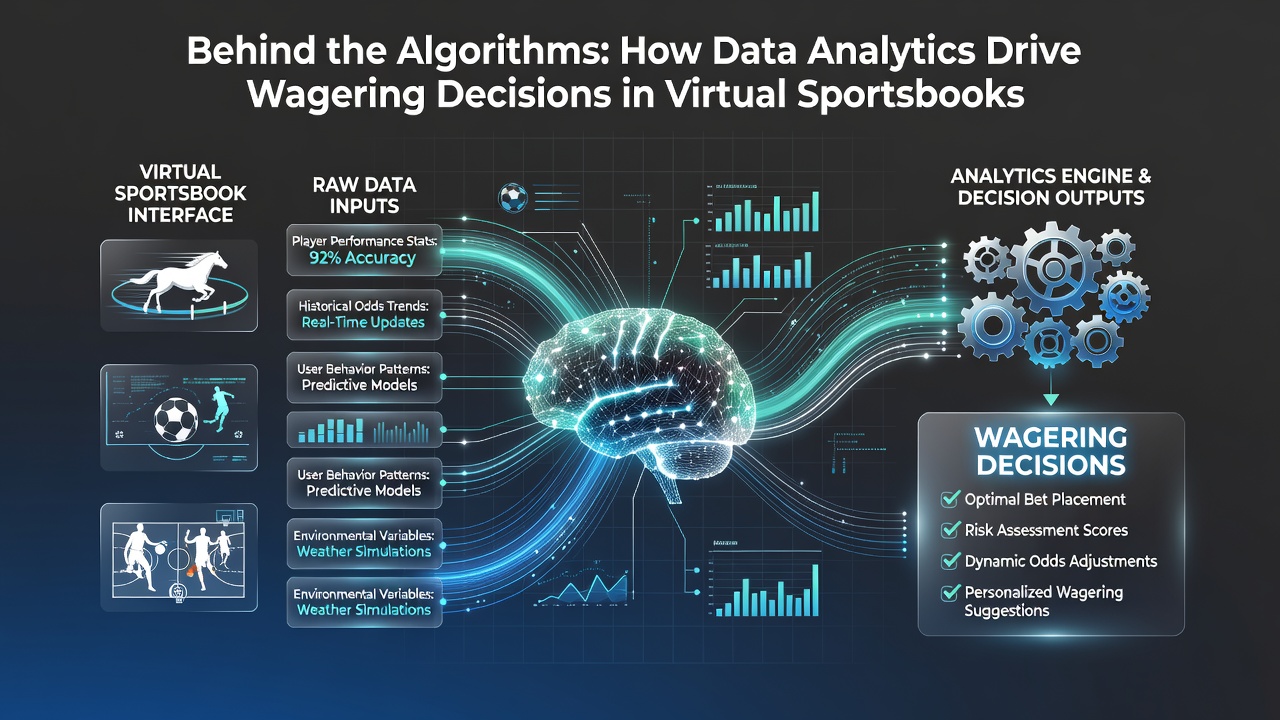
Virtual sportsbooks rely on layers of data analytics to shape every wager from initial odds calculation through settlement, and these systems pull from historical match records, player behavior patterns, and live event feeds to adjust probabilities in milliseconds. Researchers have documented how machine learning models process terabytes of information daily, allowing operators to refine lines on simulated soccer matches or basketball games without human intervention at each step.
Data Sources Fueling Algorithmic Models
Operators collect structured inputs that include past performance metrics from thousands of virtual fixtures, weather simulation variables, and even crowd noise levels in generated environments, while unstructured sources such as social media chatter about team lineups feed into natural language processing pipelines. By July 2026 these datasets had expanded to incorporate biometric signals from wearable integrations in some platforms, although regulatory frameworks in several jurisdictions limited their direct application to betting outcomes.
Statistical agencies track how these inputs translate into edge calculations, and one study published through academic channels showed that models incorporating real-time simulation adjustments reduced variance in over-under totals by measurable percentages across sampled virtual leagues. Those who maintain the infrastructure note that missing even one category of data, such as injury simulation updates, can shift implied probabilities enough to alter payout structures for high-volume bettors.
Real-Time Processing and Odds Adjustment
Algorithms monitor incoming wagers in continuous streams, flagging unusual volume spikes that might indicate coordinated activity or model exploitation, then recalibrate lines before the next virtual match cycle begins. This loop operates through gradient boosting frameworks that weigh recent results more heavily than distant ones, creating dynamic pricing that reflects current market sentiment without manual overrides.
What's interesting is how these systems cross-reference internal risk thresholds with external benchmarks, such as aggregated market data from multiple platforms, to maintain competitive spreads. Figures reveal that platforms employing such cross-validation saw fewer instances of prolonged exposure on single outcomes compared with earlier rule-based approaches that lacked adaptive weighting.
Risk Management Through Predictive Layers
Predictive analytics extend beyond simple probability scoring into portfolio-level exposure modeling, where algorithms distribute risk across thousands of simultaneous virtual events rather than isolating individual bets. Operators apply clustering techniques to group similar wager types, then simulate thousands of outcome scenarios overnight to identify potential concentration points that could strain reserves.

According to a report by the European Gaming and Betting Association, virtual sportsbook operators reduced reserve volatility through these layered simulations, particularly when models incorporated multi-jurisdictional compliance rules that vary by region. The same report highlighted that integration of anomaly detection allowed faster identification of accounts exhibiting automated betting patterns, which in turn informed adjustments to maximum stake limits without broad policy changes.
Personalization and Behavioral Segmentation
Segmentation engines divide users into cohorts based on historical engagement depth, preferred virtual sport categories, and response rates to promotional triggers, then deliver tailored odds displays or suggested accumulators that align with observed preferences. These recommendations stem from collaborative filtering methods that compare individual histories against anonymized group patterns, producing suggestions that increase session duration while staying within responsible gaming guardrails.
Data from the Australian Gambling Research Centre indicates that platforms applying behavioral segmentation recorded shifts in average bet size distributions, with certain cohorts showing steadier activity levels after targeted line adjustments. Observers note that such segmentation also supports regulatory reporting requirements by surfacing patterns that warrant additional scrutiny under anti-money laundering protocols.
Challenges in Model Transparency and Oversight
Regulators increasingly request documentation on how specific variables influence final odds outputs, prompting operators to maintain audit trails that log every model update and its downstream effect on offered markets. This documentation process has grown more complex as ensemble methods combine outputs from multiple sub-models, each trained on distinct feature sets ranging from player fatigue simulations to venue acoustics.
Those who audit these systems emphasize that explainability tools, such as SHAP value visualizations, help surface which inputs carry the greatest weight during particular market conditions. In July 2026 several oversight bodies began piloting standardized reporting formats that require operators to disclose core model architectures while protecting proprietary training data, creating a balance between transparency demands and competitive safeguards.
Conclusion
Algorithms grounded in extensive data pipelines now determine the core mechanics of wagering in virtual sportsbooks, from odds generation and risk distribution to user-specific interfaces. Continued refinement of these systems depends on access to high-quality inputs and alignment with evolving regulatory standards across jurisdictions, with operators and analysts alike focusing on maintaining model integrity amid growing data volumes and scrutiny.