11 Jul 2026
Behavioral Analytics Driving Real-Time Odds Evolution in Virtual Sports Wagering Markets
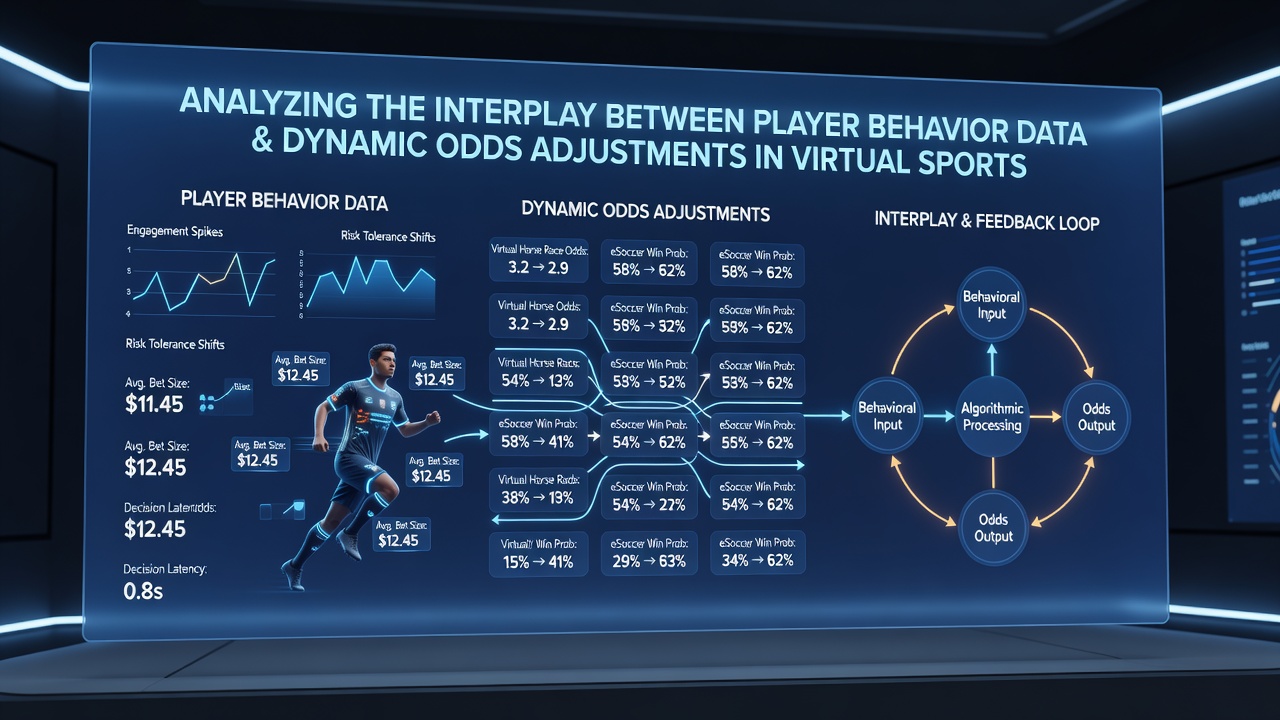
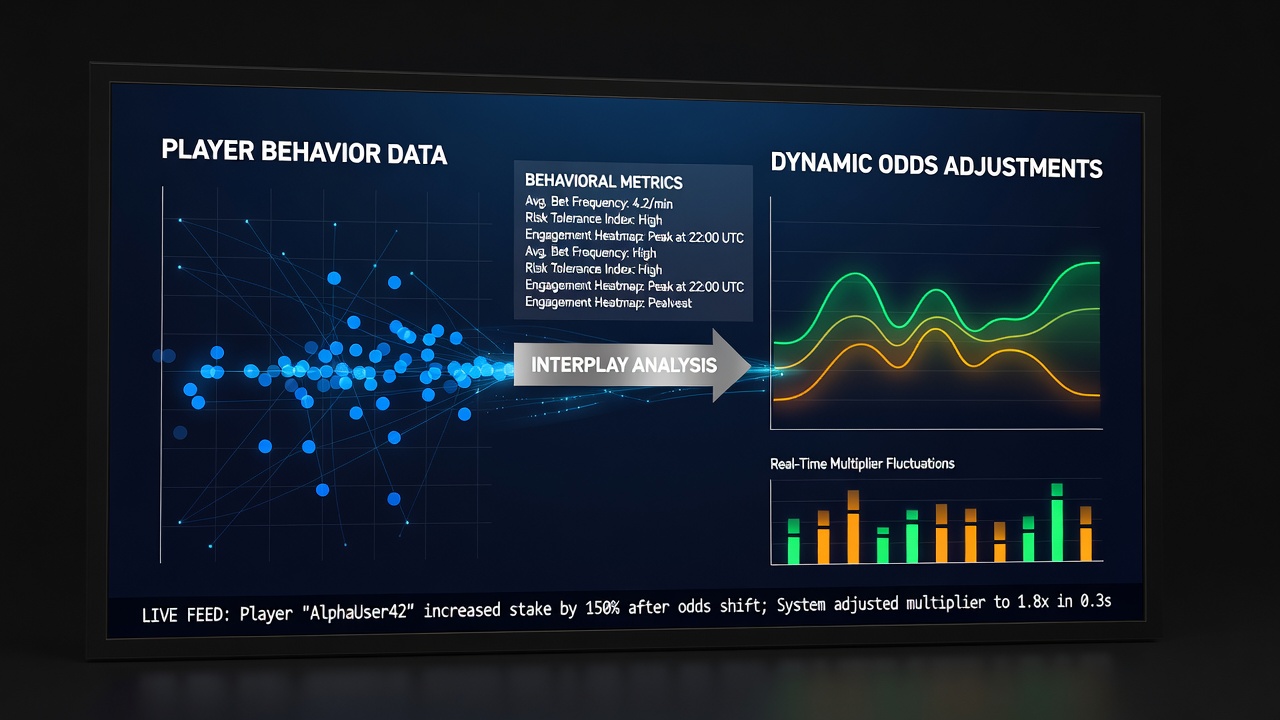 Virtual sports betting platforms generate simulated athletic events through algorithmic engines, and operators track extensive player behavior metrics to refine their offerings continuously. These metrics encompass wager frequency, stake sizes, preferred event types, and session durations, which feed directly into systems that recalibrate odds on the fly. Data collection occurs across thousands of transactions per minute on major platforms, creating datasets that reveal patterns in how participants respond to shifting probabilities during simulated matches or races. Operators aggregate this information to maintain balanced liability across outcomes, since virtual events lack the external variables found in live sports. Algorithms process inputs such as sudden spikes in bets on a particular virtual team or individual, then modify decimal or fractional odds within seconds to reflect updated risk exposure. This process differs from static pre-event pricing because adjustments happen while events unfold in accelerated timeframes, often completing full matches in under three minutes.
Data Inputs That Inform Odds Algorithms
Platforms record granular details including device type, geographic location at time of bet, and historical win rates for each account. Researchers at institutions studying digital wagering have documented how clusters of similar bets trigger automated responses, such as shortening odds on overrepresented selections while lengthening them on underbet alternatives. In July 2026 industry reports highlighted increased use of machine learning models that incorporate real-time sentiment signals derived from bet timing and size variations, allowing platforms to anticipate surges before they fully materialize in the betting pool. These systems prioritize volume management over individual account profiling in regulated jurisdictions, though compliance frameworks require anonymization protocols that strip personally identifiable elements before analysis begins. Figures from North American regulatory filings show virtual sports contributing measurable portions of total handle in states where such products operate, with behavior-derived adjustments helping sustain payout ratios near targeted percentages.Algorithmic Responses to Observed Patterns
When data streams indicate heavy concentration on favorites in a virtual soccer simulation, the pricing engine widens margins on those selections and offers improved value on draw or underdog positions to redistribute activity. This redistribution occurs through multiplicative factors applied to base probabilities generated by the event engine itself. Observers note that such interventions occur without human intervention in most cases, relying instead on threshold triggers calibrated against historical datasets spanning multiple months of platform activity. Take one major European operator whose internal logs revealed a 14 percent increase in handle balance after implementing behavior-responsive modules in early 2025; the same modules continued evolving through mid-2026 to account for seasonal variations in user engagement. Those modules evaluate not only current session data but also cross-reference against broader cohort trends, such as increased evening activity or device-specific preferences that correlate with higher volatility in stake amounts.