30 May 2026
Algorithmic Models Reshape Real-Time Pricing Across Digital Sportsbook Platforms
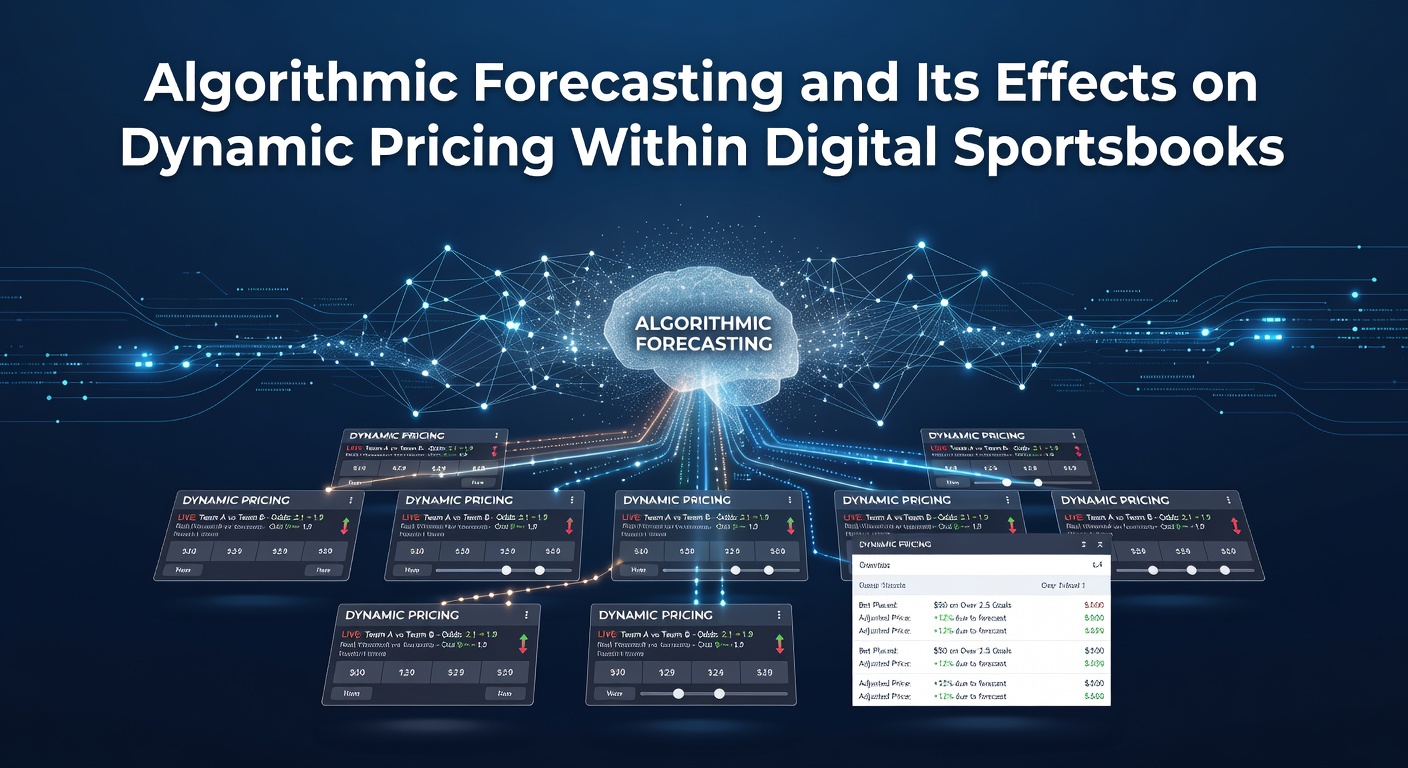
Algorithmic forecasting has become central to how digital sportsbooks manage dynamic pricing, where odds shift continuously based on incoming data streams rather than static calculations. These systems pull from vast datasets that include player statistics, weather conditions, historical match outcomes, and live betting volumes, then apply machine learning techniques to generate probability estimates that feed directly into pricing engines. Observers note that the integration of such models allows platforms to respond within seconds to new information, creating a fluid market environment that differs markedly from earlier manual adjustment methods used by oddsmakers.
Data Inputs Fueling Predictive Accuracy
Modern forecasting algorithms rely on multiple layers of input that range from structured numerical records to unstructured text sources scraped from news feeds. Player injury reports updated in real time, team performance metrics tracked across seasons, and even social sentiment indicators derived from public discussions all contribute to refined probability outputs. Research from academic institutions such as those affiliated with the University of New South Wales has examined how combining these variables improves short-term prediction horizons, particularly in high-volume sports like soccer and basketball where line movements occur rapidly. Data indicates that platforms processing over ten thousand data points per event achieve tighter margins between opening and closing odds compared with less sophisticated systems.
Betting volume itself serves as a key feedback loop within these models, since sudden surges in wagers on one side of a proposition trigger automatic recalibrations to balance exposure. This mechanism prevents excessive liability while maintaining competitive pricing that attracts continued participation. Those who have studied the operational side of digital sportsbooks report that the velocity of these adjustments has accelerated noticeably since 2024, coinciding with broader adoption of cloud-based computing resources capable of handling simultaneous streams from multiple leagues.
Effects on Dynamic Pricing Mechanisms
Dynamic pricing in this context refers to the continuous modification of odds or point spreads to reflect updated forecasts, a process that directly influences both bookmaker margins and bettor returns. When an algorithm detects a discrepancy between its projected probability and the current market price, it initiates an adjustment that narrows or widens the spread accordingly. This creates a self-correcting market where prices gravitate toward equilibrium more quickly than in previous eras dominated by human oversight.
Evidence from industry reports shows that sportsbooks employing advanced forecasting reduce the time lag between significant news events and corresponding line changes from minutes to under thirty seconds in many cases. The result appears in narrower vig structures during peak betting windows, although platforms still maintain overall profitability through volume scaling. What's interesting is how these systems differentiate between correlated markets, such as adjusting both moneyline and total points simultaneously when forecasting models identify shifts in expected scoring rates.

Regional Regulatory Context in Mid-2026
As of May 2026, several jurisdictions have begun requiring greater transparency around algorithmic pricing practices, with regulators seeking disclosure of the primary data categories used in forecasting models. The Nevada Gaming Control Board has issued guidance encouraging operators to document how external variables influence live odds, while Canadian provincial authorities in Ontario have incorporated similar provisions into their licensing frameworks. These measures aim to address concerns about market fairness without restricting the technical capabilities that enable rapid price discovery.
Industry associations such as the European Gaming and Betting Association have compiled comparative analyses showing that algorithmic systems correlate with lower rates of manual overrides during major events. Figures reveal that events like the UEFA Champions League final now see over 85 percent of line movements driven purely by automated responses rather than discretionary interventions. This shift reduces human error but also concentrates decision-making power within the design of the underlying models themselves.
Market Stability and Liquidity Considerations
Algorithmic forecasting contributes to deeper liquidity pools because continuous price updates encourage more frequent small-stake activity from participants monitoring live markets. Yet observers have documented instances where rapid adjustments during low-volume periods create temporary imbalances that larger bettors can exploit before the system recalibrates. Studies conducted by research groups in Australia highlight that such episodes tend to cluster around niche sports with thinner data histories, where model confidence intervals remain wider.
Platforms mitigate these risks through ensemble methods that average outputs from multiple independent algorithms, each trained on slightly different feature sets. This approach dampens extreme swings while preserving the responsiveness that defines dynamic pricing. Data from operational logs indicates that ensemble implementations have lowered the frequency of price reversals exceeding five percent within any single minute during regular season play.
Conclusion
Algorithmic forecasting continues to redefine how digital sportsbooks execute dynamic pricing by embedding predictive models directly into operational workflows. The combination of real-time data ingestion, automated feedback loops, and regulatory oversight shapes a market environment where odds evolve in near synchrony with external events. Those monitoring the sector note that further refinements in model architecture will likely extend these capabilities into additional wagering formats while maintaining the core principles of risk-balanced pricing already established across major platforms.